Often referred to as “runner’s knee”, symptoms are usually related to how load is managed through the knee during movement.
Patellofemoral pain reflects how load is applied through the kneecap joint — and whether the tissues involved can tolerate that load.
The kneecap helps distribute forces through the knee during movement.
When load exceeds the joint’s current capacity, the tissues can become sensitive and painful.

Many approaches focus on reducing pain or treating the knee in isolation.
But knee pain often persists because:
Without addressing these factors, symptoms may improve temporarily but return with activity.
Download a structured self-management guide for knee pain, including:
This is designed to help you get started, particularly in the early stages.
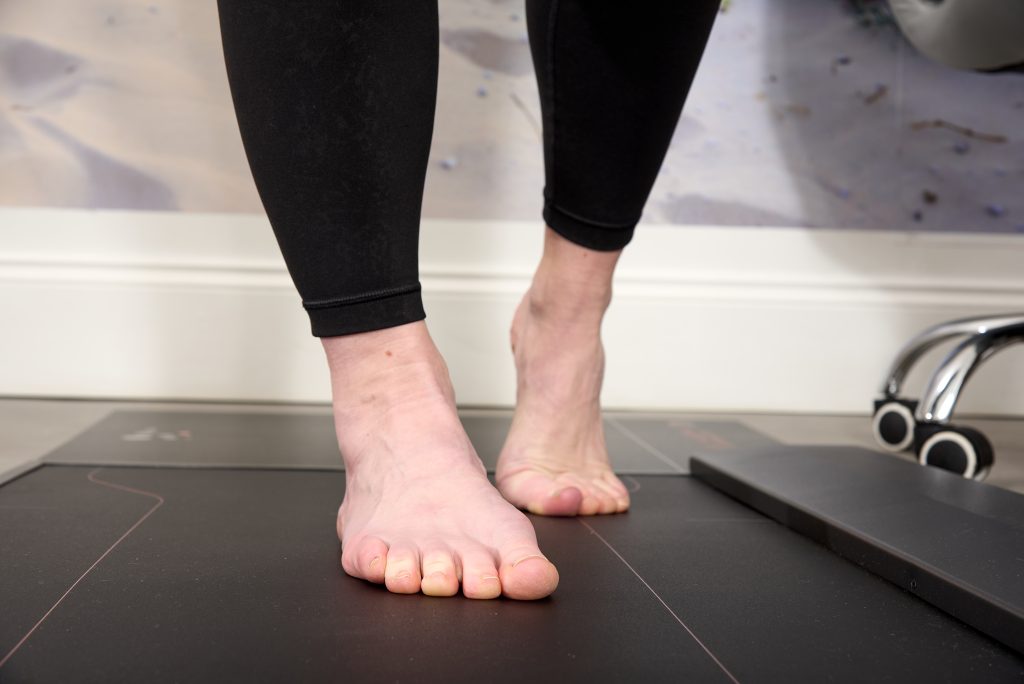
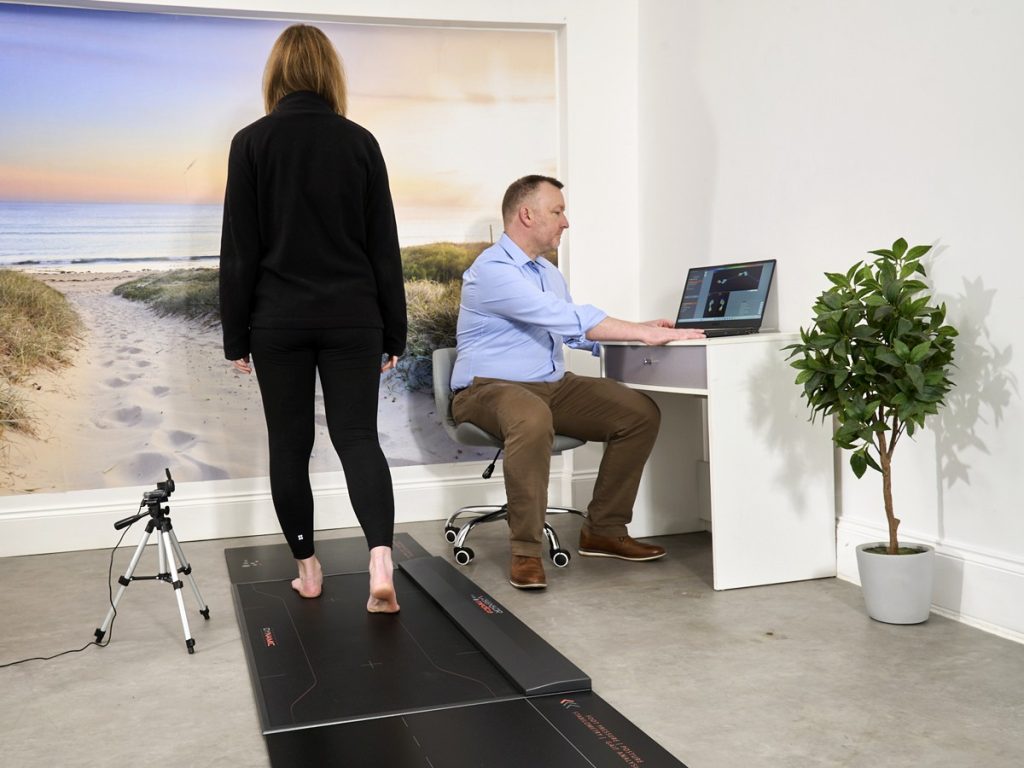
A detailed assessment is often required to address the underlying mechanical drivers and capacity deficits.
At Precision Gait Clinic, assessment focuses on identifying:
This allows treatment to be targeted and structured rather than focused on the knee alone.
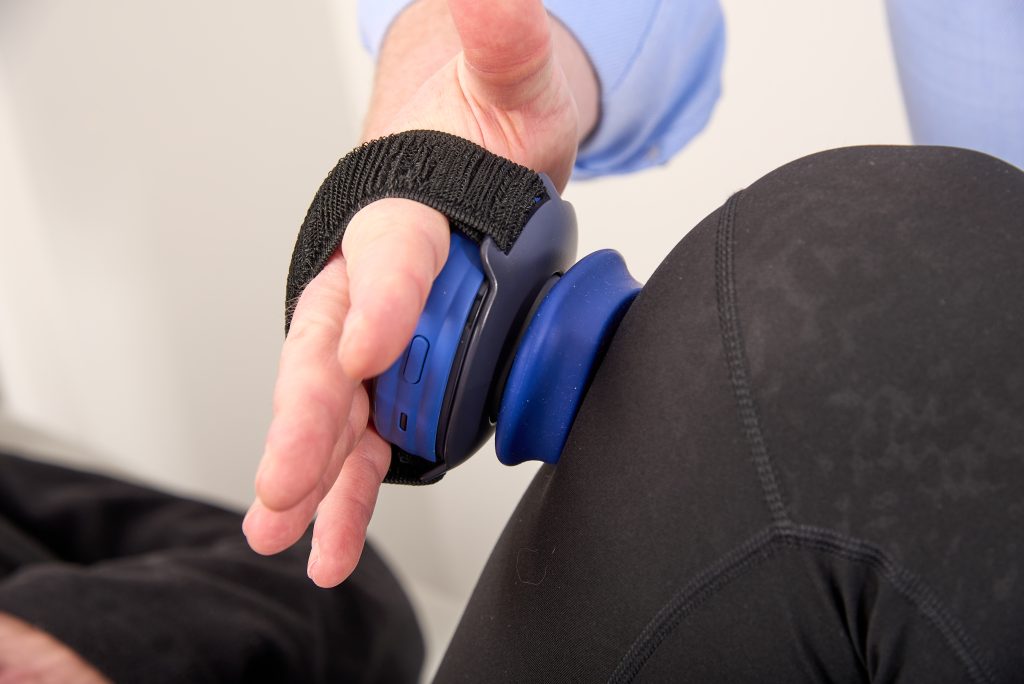
Early management focuses on reducing excessive load while maintaining activity where possible.
Long-term improvement requires progressive loading.
This is the primary driver of recovery.
Treatments that focus only on the knee may provide short-term relief.
Long-term improvement depends on addressing how load is managed through the entire lower limb and restoring tissue capacity.
A 60–90 minute biomechanics assessment designed to
understand why your symptoms have developed — and what
needs to change to resolve them.
Structured, unrushed, and focused on identifying the cause of your pain.