
Persistent Achilles Pain
Specialist Assessment
Tried treatment but your Achilles pain keeps coming back?
Understand why your symptoms persist and leave with clarity.
60-90 Minute Assessment | Personalised Recovery Plan | £185
No GP referral required | No obligation for further treatment
Trusted Expertise. Personalised Assessment.
Helping people understand why persistent foot and ankle pain keeps returning.
Conor Costello MSc
Specialist Musculoskeletal Podiatrist | Clinical Biomechanics
- MSc Clinical Biomechanics
- Current NHS Band 7 MSK Specialist Podiatrist
- RCoP and HCPC Registsered
- Lower Limb Biomechanics Specialist
Every assessment is carried out personally by Conor, combining over 10 years of clinical podiatry experience with current NHS specialist MSK practice and an MSc in Clinical Biomechanics.
Rather than simply confirming a diagnosis, the assessment is designed to identify why your Achilles has become overloaded, explain why previous treatments may not have resolved it, and provide a personalised recovery plan.



Why Hasn't It Improved?
Many patients attending Precision Gait Clinic have already tried:
- Rest or reducing activity
- Stretching
- Strengthening exercises
- Heel lifts
- Physiotherapy
- Shockwave therapy
Sometimes symptoms improve.
Sometimes they don’t.
That doesn’t necessarily mean the treatment was wrong.
Persistent Achilles pain often continues when the load placed through the tendon exceeds its current capacity.
If the factors driving that overload aren’t identified, symptoms may continue despite treatment.
The question is not simply:
“What treatment should I try next?”
The question is:
Why does my Achilles tendon continue to become overloaded?
How We Find Answers
The aim of your assessment is to identify both the source of your symptoms and the factors contributing to ongoing tendon overload.
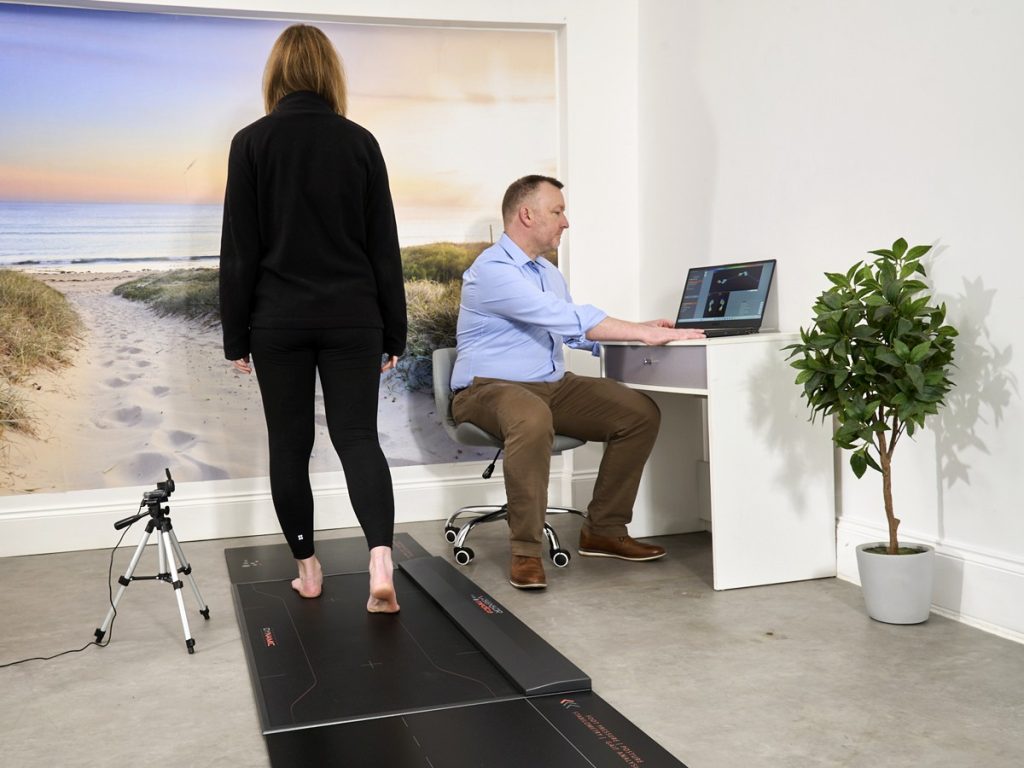
Depending on your symptoms, your assessment may include:
- Clinical history
- Foot and ankle examination
- Strength and calf capacity testing
- Functional assessment
- Video movement analysis
- Pressure mapping
Together, these findings help explain what’s driving your symptoms and inform your personalised rehabilitation plan.
Leave With Clarity
Following your assessment, we’ll carefully analyse your findings and provide a personalised report including:
- A clear diagnosis of your condition
- An explanation of the factors contributing to your symptoms
- Why your symptoms have persisted
- A personalised rehabilitation plan
- Guidance on returning to the activities that matter to you
- Footwear and orthotic recommendations where appropriate
- A clear understanding of what needs to change to support recovery
You’ll understand your symptoms, know why they’ve persisted, and feel confident about your next steps.
Ready to understand your Achilles pain?
Precision Gait Assessment
- 60-90 minute appointment
- Personalised Precision Report
- £185
Have Questions Before Booking?
If you’re unsure whether a Precision Gait Assessment is the right starting point, please get in touch and we’ll be happy to help.
No obligation. No pressure.
Frequently Asked Questions
I've already tried physiotherapy. Is this assessment still suitable?
Yes. Many people attending Precision Gait Clinic have already completed rehabilitation or received treatment elsewhere. The assessment is designed to understand why symptoms have persisted and whether there are factors that haven’t yet been identified.
Do I need a scan or MRI before attending?
Not usually. Most persistent Achilles problems can be assessed clinically. If further investigations are appropriate, this will be discussed during your appointment.
How is this assessment different from other assessments I've had?
Many people who attend Precision Gait Clinic have already had one or more assessments before seeing us. Rather than focusing solely on the diagnosis, this assessment is designed to understand why your Achilles has become overloaded, why your symptoms have persisted, and what needs to change to support your recovery. Your rehabilitation plan is based on your individual assessment findings, goals and activity levels.
What if my Achilles isn't the main problem?
If your assessment suggests another structure is responsible for your symptoms, this will be explained and your rehabilitation plan adjusted accordingly.
Is this assessment suitable if I want to return to running or sport?
Yes. Whether your goal is returning to running, walking or everyday activities, recommendations are based on your individual goals and assessment findings.