
Inner Ankle Pain (Tibialis Posterior Tendinopathy)
Understand what’s driving your inner ankle pain —
and what needs to change to resolve it
Quick Validation
Inner ankle pain commonly presents as:
- Pain or tenderness along the inside of the ankle
- Discomfort with walking, particularly over longer distances
- Pain during or after activity
- A feeling of reduced support or control through the arch
Often described as “arch collapse” or tendon strain, symptoms are usually related to how load is managed through the foot and ankle over time.
What's Actually Happening
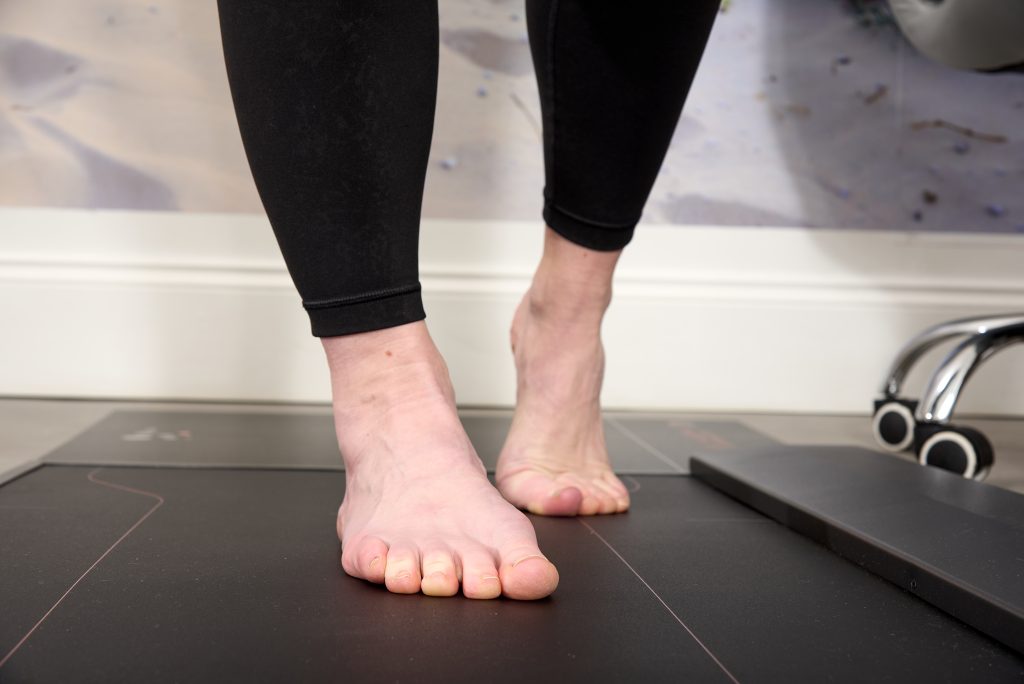
The tibialis posterior tendon plays a key role in supporting the arch and controlling how the foot loads during walking.
Tibialis posterior tendinopathy reflects how load is applied to this tendon — and whether it has the capacity to tolerate that load.
When loading exceeds its current capacity, the tendon becomes sensitive and less tolerant to stress.
Why It Keeps Coming Back
Many approaches focus on supporting the arch or reducing pain.
But symptoms often persist because:
- Load is not being applied efficiently through the foot
- Movement patterns increase stress on the tendon
- Strength and load tolerance are not fully restored
Without addressing these factors, symptoms may improve temporarily but return when activity increases.
Not Ready To Book Yet?
Download a structured self-management guide for tibialis posterior tendinopathy, including:
- Simple ways to reduce aggravating load
- Early-stage exercises
- Guidance on progressing activity
This is designed to help you get started, particularly in the early stages.
A detailed assessment is often required to address the underlying mechanical drivers and capacity deficits.
How We Help
At Precision Gait Clinic, assessment focuses on identifying:
- The primary tissue under load
- How load is transferred through the foot and lower limb
- Movement patterns contributing to overload
- Capacity deficits limiting recovery
This allows treatment to be targeted and structured rather than based on trial and error.
What Your Assessment Includes
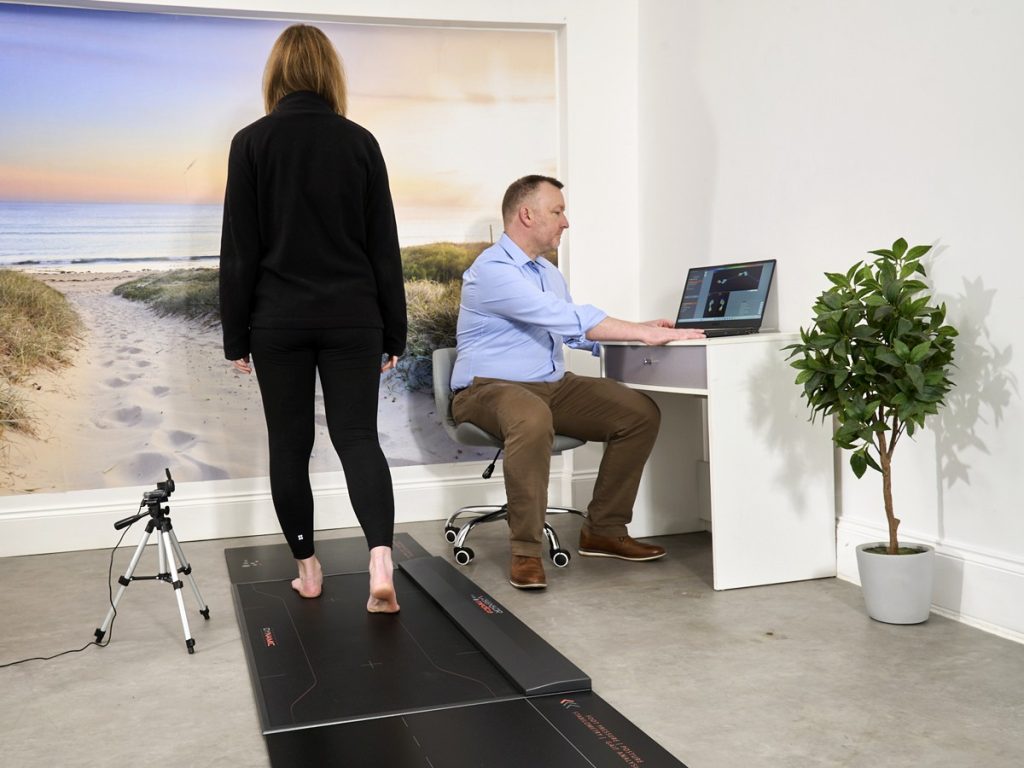
- 60–90 minute one-to-one assessment
- Strength and capacity testing
- Movement and gait analysis
- Pressure mapping where relevant
- Clear explanation and structured plan
Book Your Assessment
A 60–90 minute biomechanics assessment designed to identify why your inner ankle pain has developed — and what needs to change to resolve it.
Management & Rehabilitation
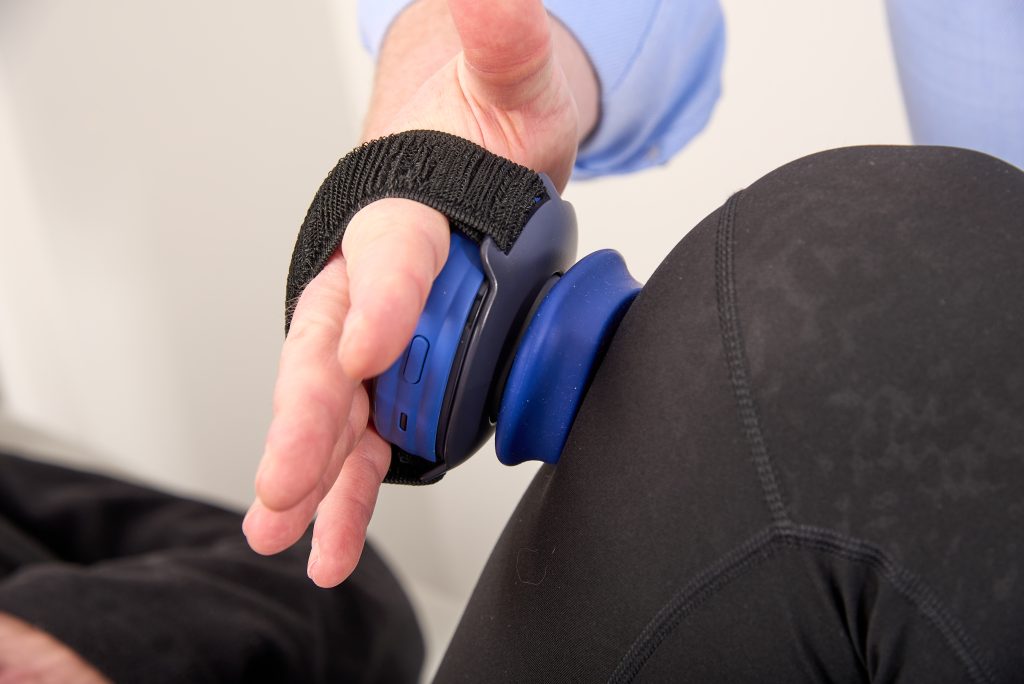
Early management focuses on reducing excessive load while maintaining activity where possible.
Long-term improvement requires progressive loading.
Rehabilitation focuses on:
- Gradual strengthening of the tibialis posterior and calf
- Improving load tolerance through the foot
- Restoring efficient movement patterns
This is the primary driver of recovery.
Recovery & When To Seek help
- Improvement is typically measured in weeks, not days
- Symptoms may fluctuate during loading progression
- Consistency is key
You may benefit from assessment if:
- Pain persists beyond a few weeks
- Symptoms repeatedly return with activity
- Walking distance or activity is becoming limited
- Previous treatment has not resolved the issue
Important
Treatments that focus only on supporting the arch or reducing symptoms may provide short-term relief.
Long-term improvement depends on addressing the underlying mechanical drivers and restoring tendon capacity.
Book Your Assessment
A 60–90 minute biomechanics assessment designed to
understand why your symptoms have developed — and what
needs to change to resolve them.
Structured, unrushed, and focused on identifying the cause of your pain.