
Persistent Heel Pain Assessment
Tried treatment but your heel pain keeps coming back?
Understand why pain returns and leave with a clear rehabilitation plan.
60-90 Minute Specialist Assessment | £185
Have You Already Tried Treatment?
Many patients attending Precision Gait Clinic have already tried:
- Stretching
- Insoles or orthoses
- Footwear changes
- Physiotherapy
- Shockwave therapy
- Corticosteroid injections
Sometimes symptoms improve temporarily.
Sometimes they don’t.
That doesn’t necessarily mean the treatment was wrong.
Persistent heel pain often develops when the load placed through a tissue exceeds its capacity.
If the factors driving that overload are not identified, symptoms may continue to return despite treatment.
The question is not simply:
“What treatment should I try next?”
The question is:
Why does the tissue continue to become overloaded?
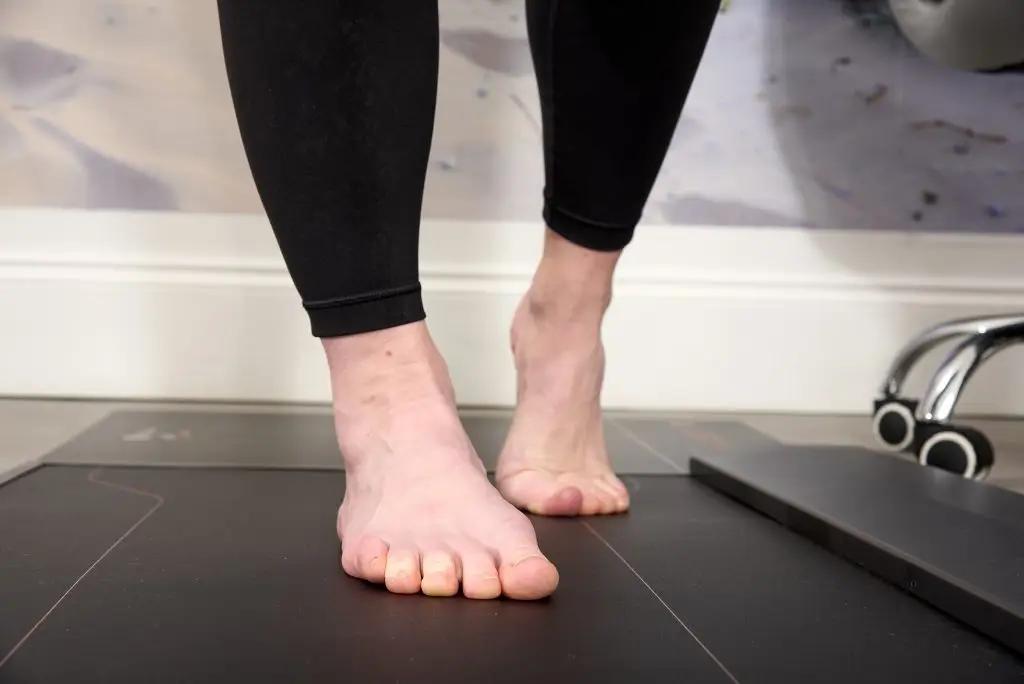
Understand Why The Pain Keeps Returning
Our assessment is designed to answer four key questions:
What tissue is causing the pain?
Why is it becoming overloaded?
What mechanical factors are contributing?
What capacity deficits need addressing?
Understanding these factors helps guide a more targeted rehabilitation plan and explain why symptoms continue to return.
How We Investigate The Problem
The assessment is designed to identify both the source of your pain and the factors contributing to ongoing overload.
Depending on your symptoms this may include:
- Clinical history
- Foot and ankle examination
- Strength testsing
- Movement assessment
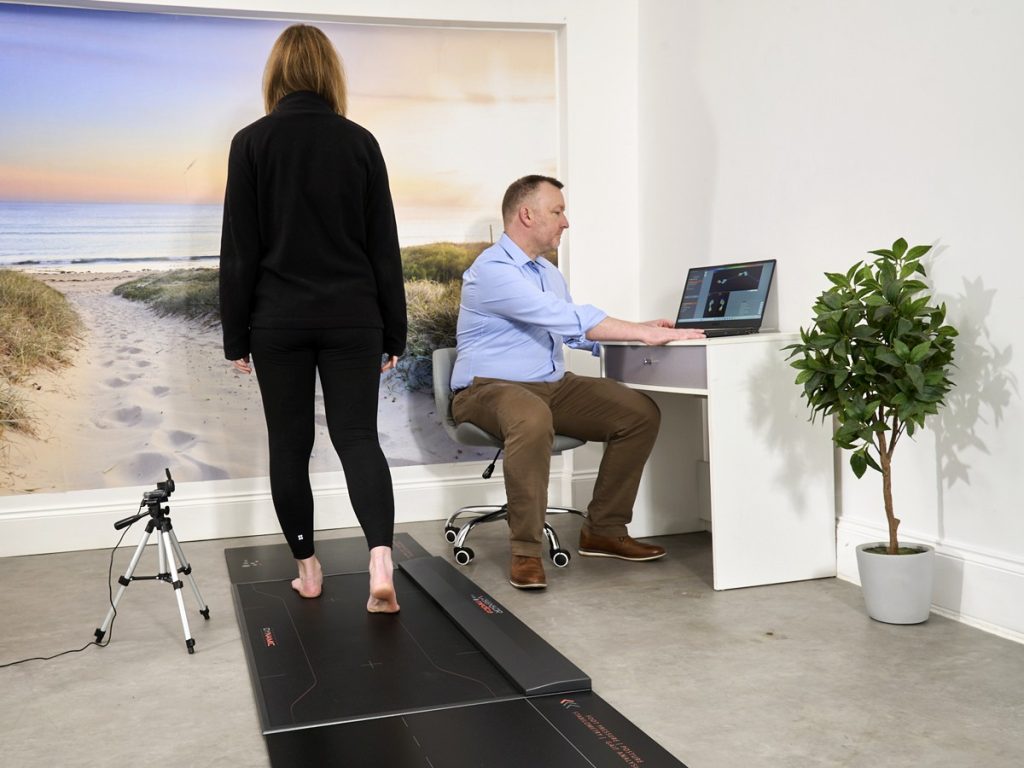
- Video gait analysis
- Plantar pressure analysis
- Load tolerance assessment
These findings help explain why symptoms have developed and what needs to change moving forward.
Leave With A Clear Plan
Following your assessment you will receive:
- Clear diagnosis
- Understanding of contributing factors
- Load management recommendations
- Rehabilitation guidance
- Footwear advice where appropriate
- Orthotic recommendations where appropriate
- Written recovery plan
The goal is not simply to reduce pain, but to understand why symptoms developed and what needs to change moving forward.
What Happens After Your Assessment?
Once the source of symptoms and contributing factors have been identified, treatment focuses on reducing excessive load and improving tissue capacity.
Recommendations may include:
- Rehabilitation exercises
- Activity and loading advice
- Footwear recommendations
- Orthotic intervention where appropriate
- Return to activity advice
The goal is not simply to reduce pain, but to understand why symptoms developed and what needs to change to achieve long-term improvement.
All recommendations are based on the findings of your assessment and tailored to your specific needs.
Restoring Capacity
Early management often focuses on reducing excessive load while maintaining activity where possible.
Recovery requires both managing load and restoring capacity.
Rehabilitation focuses on:
- Progressive strengthening
- Increasing load tolerance
- Return to activity
Long-term improvement depends on addressing both load and capacity.

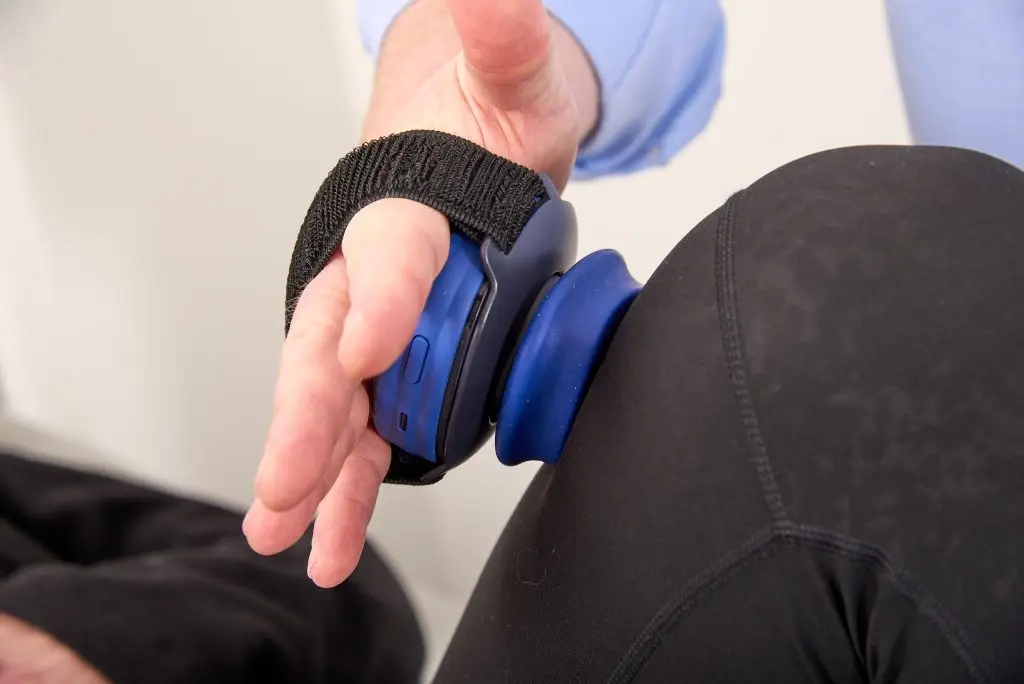
What Recovery Typically Looks Like
Improvement is typically measured in weeks rather than days.
Symptoms may fluctuate during rehabilitation, particularly as activity levels increase.
Temporary increases in discomfort do not necessarily indicate damage and may simply reflect changes in activity levels.
Consistency is often more important than intensity.
Recovery rarely follows a straight line, but a structured approach can help guide progress over time.
Is This Assessment Right For You?
This assessment may be suitable if:
- Symptoms continue to return despite treatment
- Activity remains limited by heel pain
- You want a clear diagnosis and rehabilitation plan
Not Ready To Book Yet?
Download a structured self-management guide for plantar fasciopathy, including:
- Simple ways to reduce aggravating load
- Early-stage exercises
- Guidance on progressing activity
This guide is designed to help you get started, particularly in the early stages.
A detailed assessment is often required to identify the underlying mechanical drivers and capacity deficits.
Book Your Assessment
60–90 Minute Specialist Assessment | £185
Structured, unhurried and focused on identifying the cause of your pain.
Leave with a clearer understanding of your symptoms and a structured rehabilitation plan.